

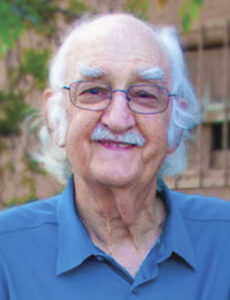
Author Jeff Radford:Jeff is a former Associated Press World Desk editor in its New York headquarters, and news reporter for The Toronto Star in Latin America and Africa, where he focused on de-colonization in Uganda, Tanzania, Kenya, Rhodesia-Zimbabwe, South Africa and Mozambique. Radford was a Fulbright Scholar in Venezuela and a Fellow of the Inter-American Press Association in Brazil. He published a community newspaper in New Mexico from 1982 to 2022.
Author Jeff Radford: Jeff is a former Associated Press World Desk editor in its New York headquarters, and news reporter for The Toronto Star in Latin America and Africa, where he focused on de-colonization in Uganda, Tanzania, Kenya, Rhodesia-Zimbabwe, South Africa and Mozambique. Radford was a Fulbright Scholar in Venezuela and a Fellow of the Inter-American Press Association in Brazil. He published a community newspaper in New Mexico from 1982 to 2022.
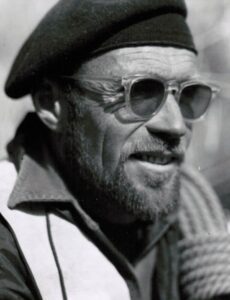
Author Jack Kutz: In the 1970 s Jack Kutz gained followers as a writer and researcher for Albuquerque s alternative newspaper Seers Catalog. Later Kutz s writing was featured in New Mexico Magazine. However, Kutz began collecting folklore and extraordinary tales working in remote locations while working for Mountain Bell, hanging telephone line. During this time he began documenting the oral histories and tall tales passed down generation to generation within specific regions. Also an avid mountain climber, Kutz served with New Mexico Mountain Club. Those daring rescue missions gave him first-hand experiences and contacts with people who had amazing stories to share. Kutz s Mysteries & Miracles series not only preserves many cultural stories but also enables readers to reference detailed directions to visit some of the most bizarre, obscure and haunting places within the Southwest. In addition to his six books in the Mysteries & Miracles series, Kutz is also the author of Grassroots New Mexico: A History of Citizen Activism and The Wild West Never Died: True Crime Tales of 20th Century New Mexico.
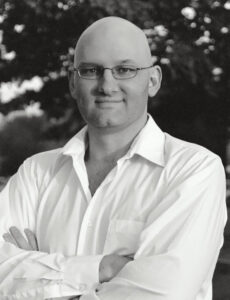
Author Benjamin Radford: Ben is an award-winning investigator and deputy editor of Skeptical Inquirerscience magazine. He has written thousands of articles on a wide variety of topics, including urban legends, mysterious phenomena, critical thinking, and science literacy.
He is author, co-author, or contributor to more than twenty books, including Scientific Paranormal Investigation: How to Solve Unexplained Mysteries; Tracking the Chupacabra: The Vampire Beast in Fact, Fiction, and Folklore; Mysterious New Mexico: Miracles, Magic, and Monsters in the Land of Enchantment; (winner of the Southwest Book Award); and Bad Clowns; (Independent Publisher Award bronze medalist).
Best known as a science-based investigator into unusual phenomena, Radford is a regular columnist for several outlets including LiveScience.com and Discovery News. Radford co-founded two podcasts: Squaring the Strange (2016-present) and MonsterTalk (winner of the Parsec award). Radford has been quoted as an expert by hundreds of media outlets including CNN, ABC News, BBC, CBC, The New York Times, Gizmodo, Forbes, The New York Times Magazine, The (London) Times Literary Supplement, Fortean Times, the Huffington Post, Scientific American, Wall Street Journal, Wired, and Vanity Fair. He has also appeared on dozens of television shows including Good Morning America and on the Discovery Channel, the History Channel, and the National Geographic Channel. Radford has a masters degree in education, a masters in public health, and a bachelors degree in psychology, and is a member of the American Folklore Society.